A Historic Breckenridge Home, Reimagined
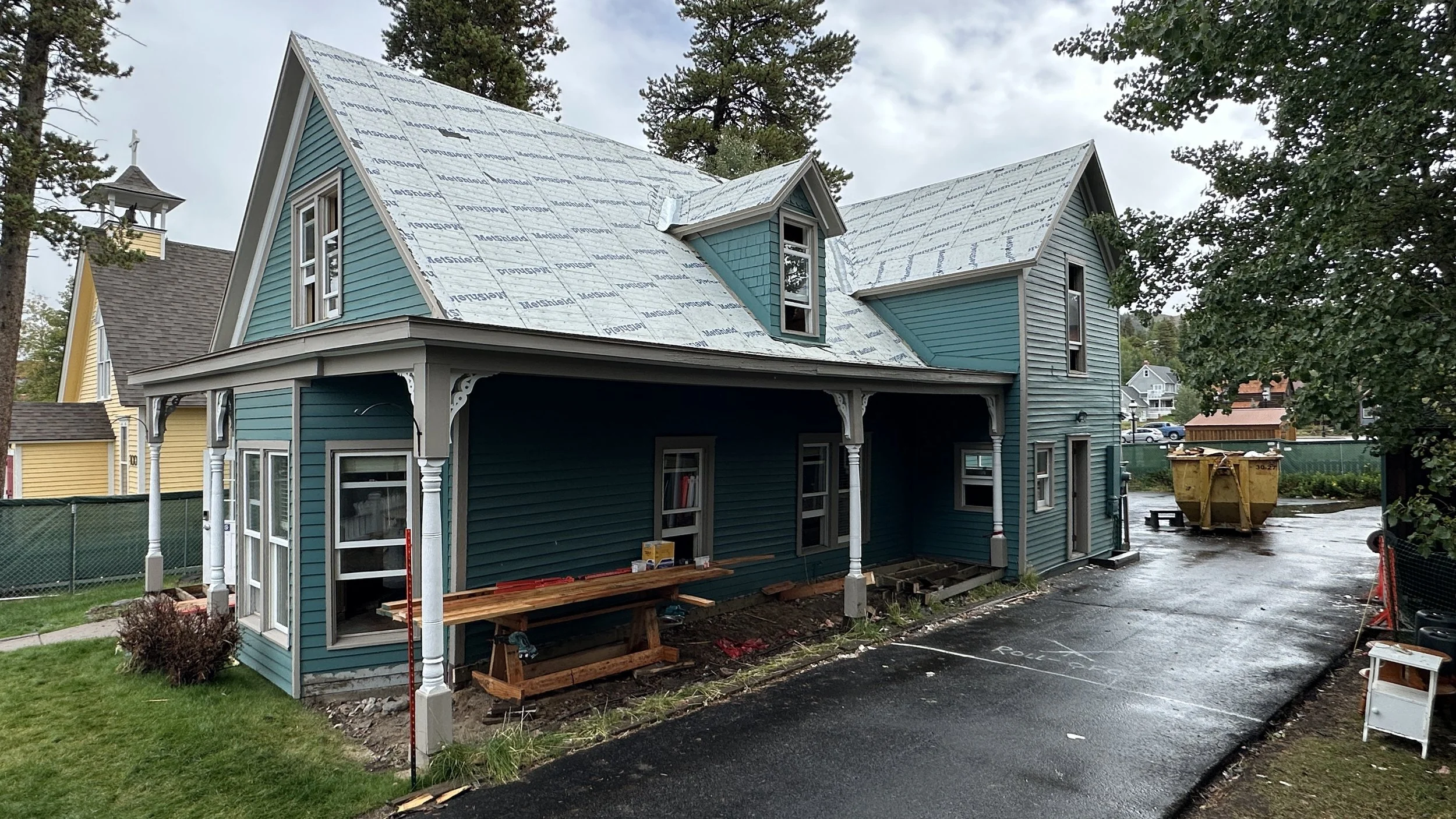
On a quiet street just steps from Main Street in Breckenridge stands a home that has witnessed more than a century of change. Built in the late 1800s, 102 South French Street—known historically as the Evans House—has endured the rise and fall of mining, the evolution of a mountain town, and the transformation of Breckenridge into a world-class destination. Tucked behind the main home, a small outbuilding once served as a Sunday school—a subtle but powerful reminder that properties like this were not only residences, but part of the social fabric of an early frontier community.
When Rockridge Building was brought in to remodel the property, the goal wasn’t simply to update an aging structure. It was to honor the legacy embedded in its walls—and across the site as a whole—while carefully shaping it for modern living. Every historic home presents a unique challenge, but this one carried particular weight: how do you preserve over 130 years of character while delivering the comfort, performance, and beauty expected today?
This project became more than a renovation. It was an opportunity to steward a piece of Breckenridge’s history—respecting its past while ensuring it remains relevant for generations to come.

The History Behind the Home
Built around 1890, 102 South French Street dates to a pivotal moment in Breckenridge’s history—when a rugged mining camp was beginning to take on the permanence and character of a true mountain town. Unlike the earliest structures hastily erected during the gold rush, this home reflected a new phase of prosperity and stability. It is widely attributed to W.B. Stephenson, a local pharmacist and business owner, representing the growing professional class that supported—and ultimately sustained—the town beyond mining alone.
Over the decades, the home evolved alongside Breckenridge itself. What began as a private residence later adapted to changing times, eventually operating as a bed and breakfast as tourism and skiing reshaped the local economy. Through each chapter, the property remained anchored in the town’s historic core, just steps from Main Street and surrounded by structures dating back to the late 19th century.
Beyond the main house, the presence of a small outbuilding once used as a Sunday school offers a glimpse into the broader role the property played in early community life. In an era when homes often doubled as gathering spaces, this detail underscores how deeply intertwined daily living, social connection, and shared traditions were in Breckenridge’s formative years.
Today, the Evans House stands not just as a preserved structure, but as a layered record of the town’s evolution—from mining outpost to vibrant, year-round destination.
When Rockridge Building first stepped onto the property, it was clear that 102 South French Street carried both extraordinary potential and significant challenges. While the home had been maintained and adapted over time, much of its underlying structure reflected the realities of a building that had stood for more than 130 years. Layers of renovations—each tied to a different era—had left the home feeling fragmented, with outdated systems, aging materials, and a layout that no longer aligned with modern living.
Like many historic properties in Breckenridge, the home came with important constraints. Located within the town’s historic district, any work required careful coordination with preservation guidelines designed to protect the architectural integrity of the neighborhood. Every decision—from exterior materials to window profiles—needed to respect the home’s original character while meeting today’s building standards.
At the same time, the property presented a rare opportunity. Its size, location, and multiple structures—including the historic Sunday school outbuilding—offered a unique canvas for transformation. The goal was not simply to repair what existed, but to thoughtfully reimagine how the home could function while preserving the story embedded in every corner of the site.
This balance—between constraint and opportunity—is what defines a true historic remodel. It demands not only technical expertise, but a deep respect for what came before and a clear vision for what the home can become.
The Starting Point: What We Inherited
From the outset, the vision for 102 South French Street was clear: preserve what makes the home meaningful, while thoughtfully adapting it for how people live today. This wasn’t about imposing a new identity—it was about revealing and elevating what was already there.
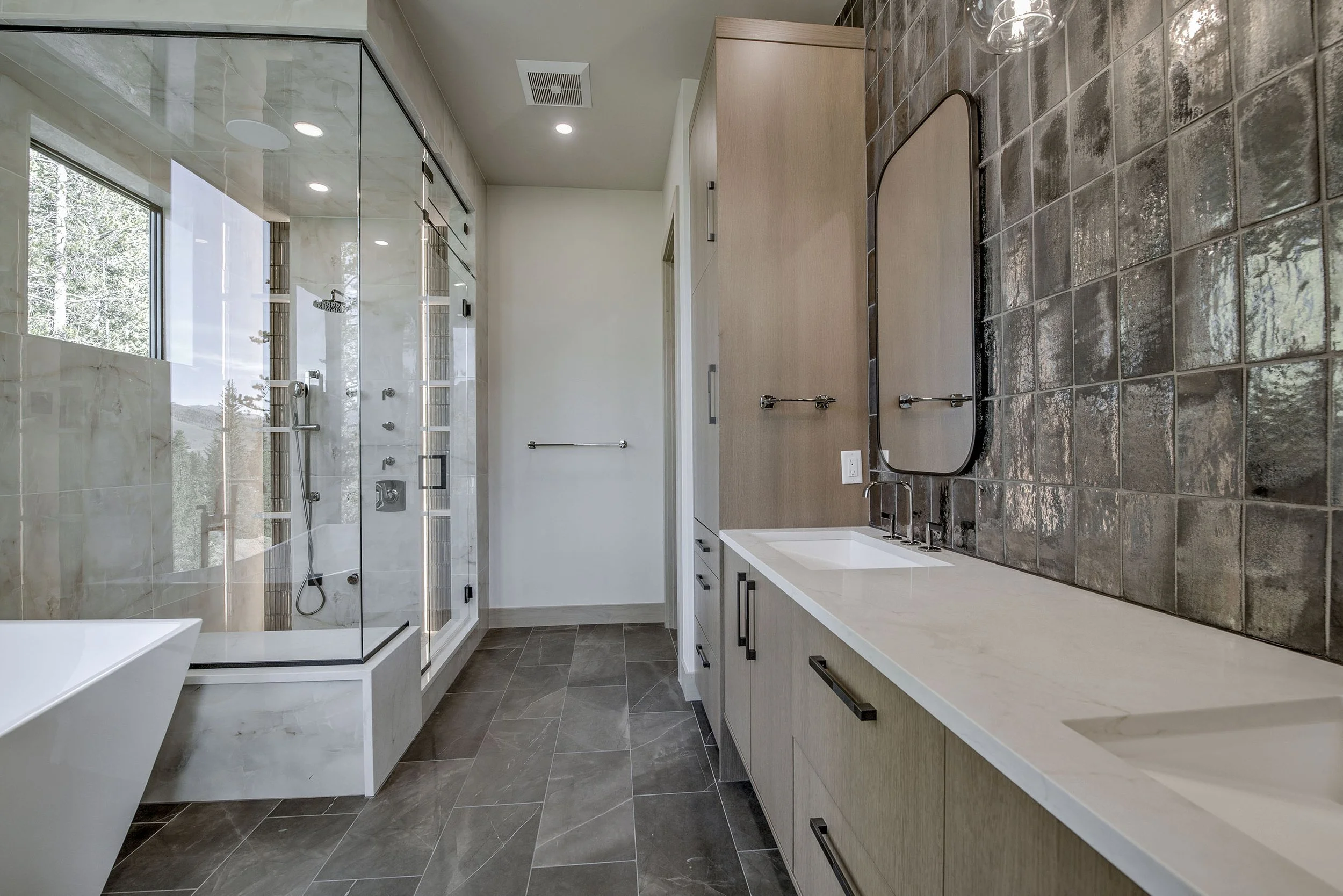
Every decision was guided by a simple principle: respect the original architecture while integrating modern functionality as seamlessly as possible. That meant maintaining the home’s scale, proportions, and historic character, while carefully introducing updated materials, refined finishes, and contemporary systems beneath the surface.
The goal was not to make the home feel new, but to make it feel enduring—like it had always been this way. By balancing preservation with precision craftsmanship, the project aimed to create a space that honors its past while offering the comfort, performance, and livability expected in a modern mountain home.
The Vision: Honoring the Past, Building for the Future
A Sanctuary in the Mountains
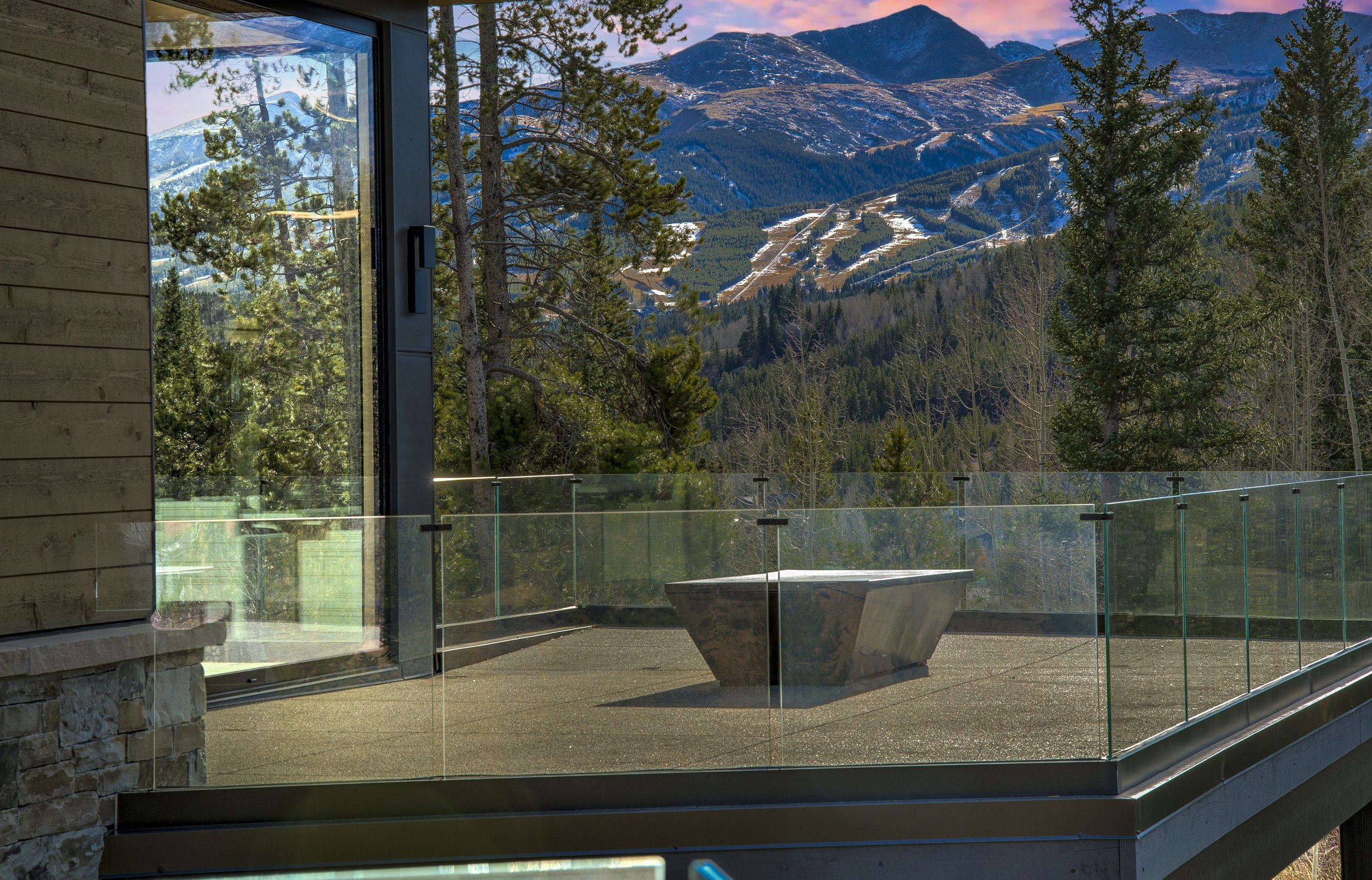
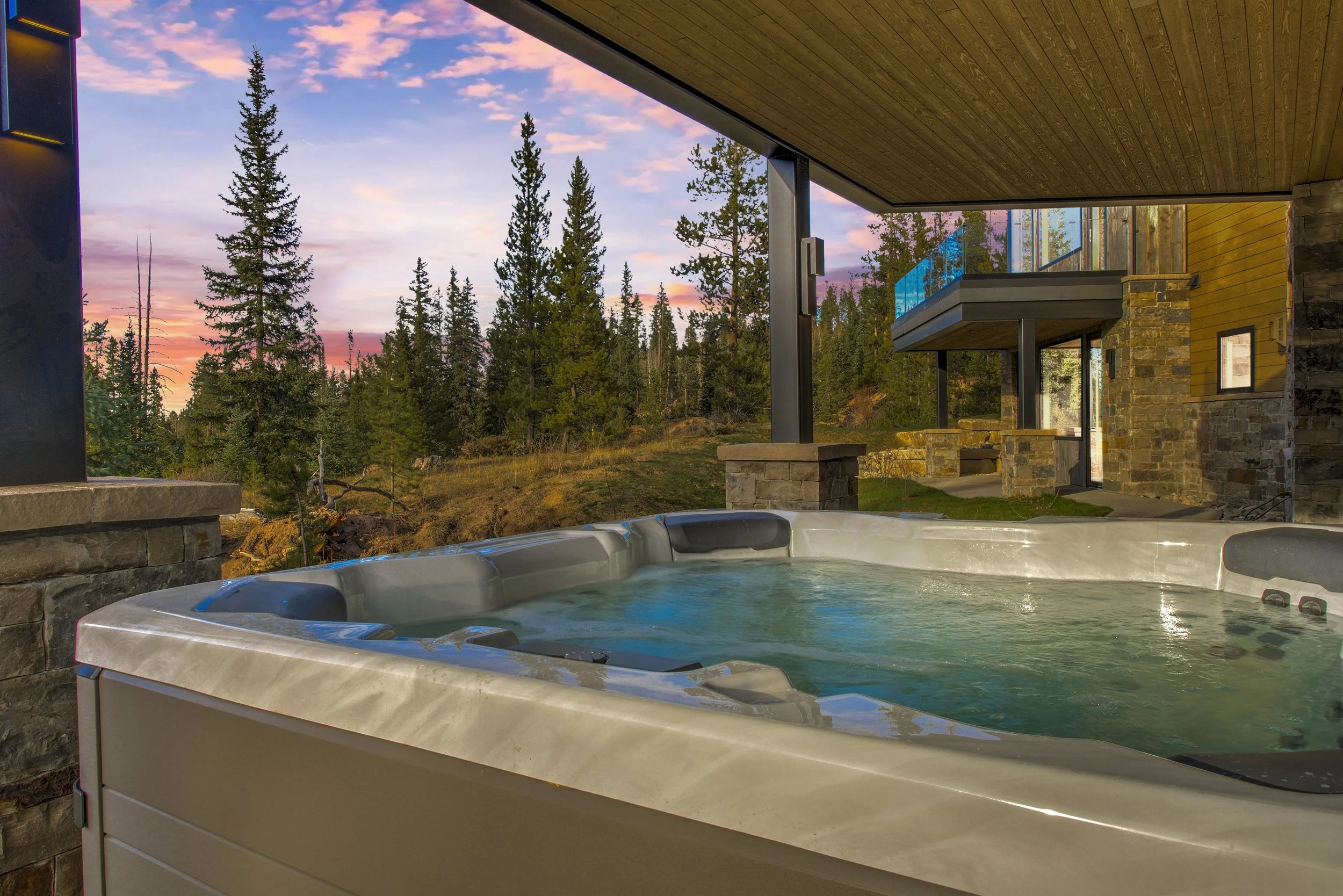
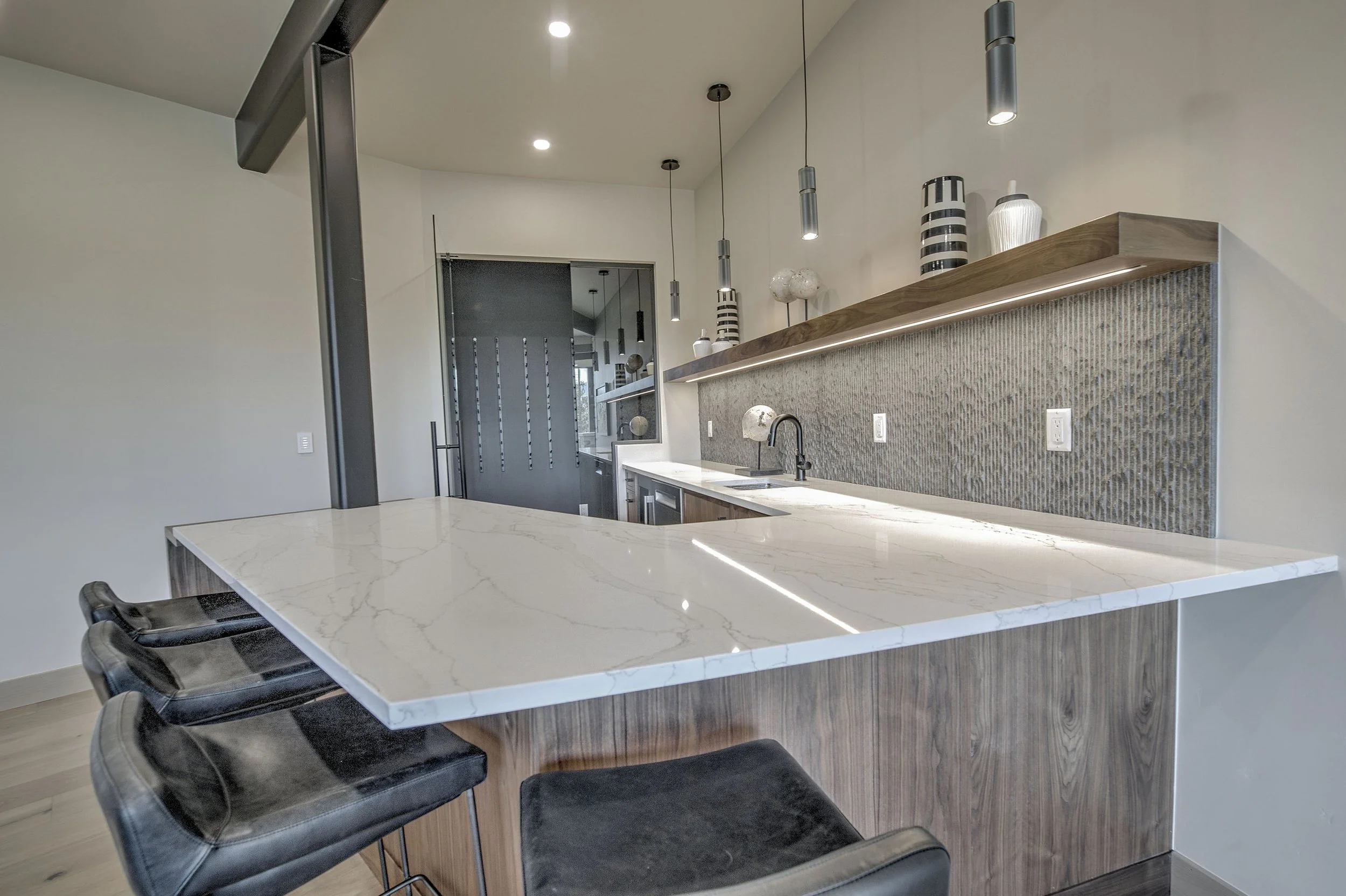
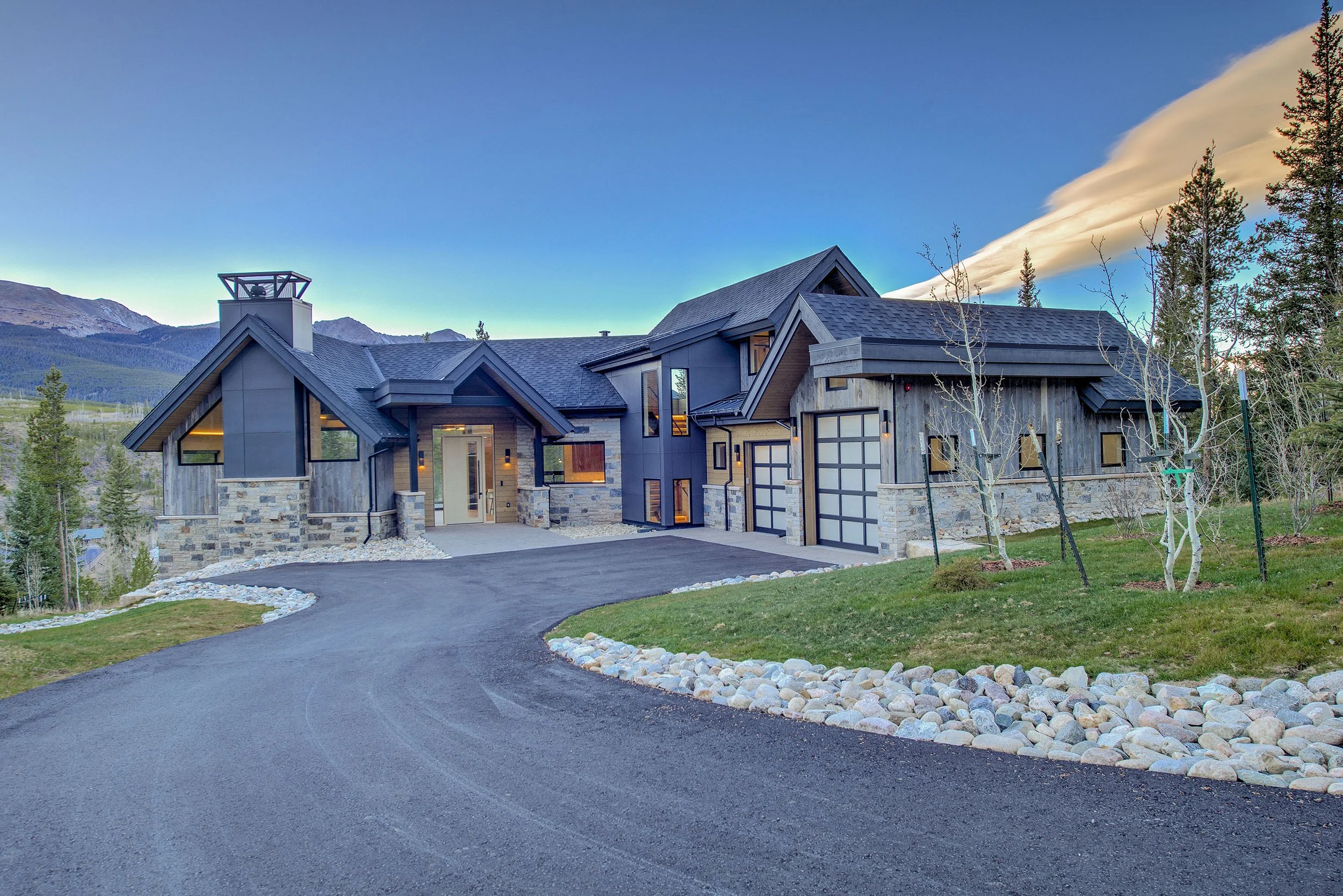
Set within one of Breckenridge’s most desirable neighborhoods, this residence offers the rare combination of privacy, dramatic views, and close proximity to town. Each level connects to outdoor living areas, inviting residents to experience the natural beauty that defines mountain life. Designed for both relaxation and entertainment, the home embodies the spirit of modern mountain living—where contemporary design meets the timeless allure of Colorado’s high country.